



The Thrill of Horse Racing: Unblocked by Time and Tradition
Horse racing, a sport that has captivated audiences for centuries, stands as a monument to our love for competition, speed, and the bond between humans and animals. From the roaring crowds at tracks to the serene beauty of thoroughbreds training in the morning sun, horse racing offers a unique blend of excitement and elegance. One cannot overlook the rising prominence of equestrian police units, like those found at horse racing not blocked by GamStop merseysidepolicemounted.uk, which highlights the continuing relevance of horse culture in modern society.
A Journey Through History
Horse racing traces its origins back thousands of years, with evidence of race-like competitions appearing in ancient civilizations such as Greece, Rome, and Babylon. These early races were often tied to religious festivals and rituals, where speed and skill were showcased in a manner befitting the gods. The sport has evolved over time but remains rooted in tradition, embodying the very essence of competition.
The modern establishment of horse racing as we know it began in the 17th century in England, with the founding of organized events and betting systems. The first recorded race took place in 1650, and by the late 1700s, horse racing had become a national pastime. The creation of formal racing laws and the establishment of racecourses, such as Newmarket, has helped to shape the structured sport we celebrate today.
The Majestic Horses
At the heart of horse racing are the magnificent animals themselves. Thoroughbreds, bred for their speed and stamina, dominate the tracks worldwide. These horses undergo intense training and care, often starting their journeys in specialized breeding farms long before they set foot on the racetrack.
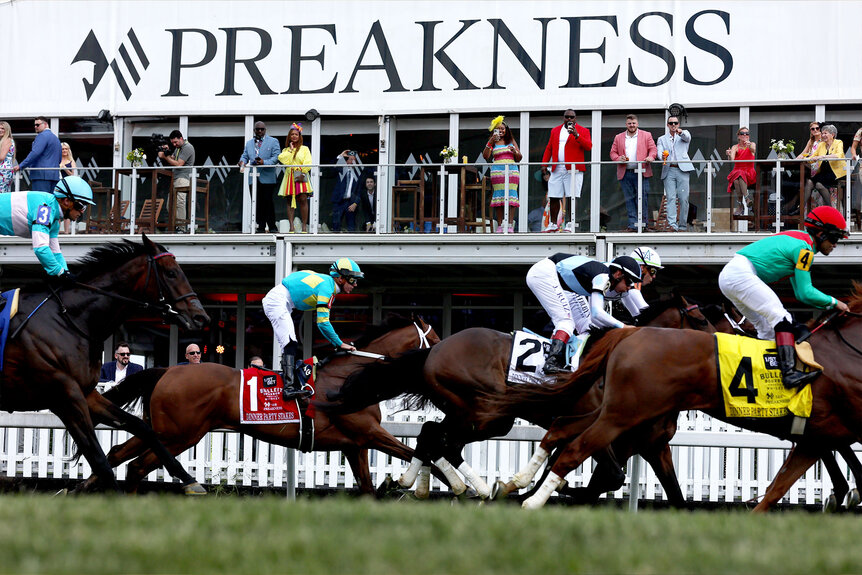
The bond between trainer and horse is crucial; a successful trainer not only understands the physical attributes of their horse but also its temperament and psychological needs. The combination of love, dedication, and expertise helps to forge relationships that can lead to unforgettable victories.
The Role of Technology
In recent years, technology has revolutionized the world of horse racing. Advanced analytics and data-driven approaches are now utilized to evaluate the performance of horses more accurately. Jockeys and trainers can access real-time information about track conditions, weather, and horse health. Additionally, sophisticated imaging technology allows for in-depth assessments of a horse’s fitness and potential for injury prevention.
Moreover, the rise of online betting platforms has transformed the betting culture around horse racing. Fans can now place bets from the comfort of their homes, leading to increased participation and engagement with the sport. This technological integration has unblocked the traditional barriers to entry, allowing a broader audience to appreciate the thrill of horse racing.
Betting Culture
Betting has always been an intrinsic part of horse racing, creating an electric atmosphere at events. The thrill of risking money on a horse can turn ordinary spectators into passionate fans, leading to discussions, predictions, and celebrations surrounding the outcome. There are various forms of betting, from simple win/place/show bets to more complex exotic wagers, attracting both novices and seasoned gamblers alike.
The infusion of online platforms has made the betting experience more accessible. Today, individuals can check odds, statistics, and tips on their mobile devices, allowing for informed betting decisions. It has also led to the growth of syndicates and partnerships, where groups pool their resources to bet on races, further enhancing the communal aspect of the sport.
The Regulatory Landscape
With innovation comes the need for regulation to ensure the sport’s integrity. Organizations like the British Horseracing Authority in the UK oversee the rules governing racing and betting, ensuring fairness and transparency. They are responsible for maintaining high standards for horse welfare, enhancing the sport’s credibility amongst fans and participants alike.
Furthermore, there are ongoing discussions about the ethical implications of horse racing, particularly concerning the treatment of horses and their welfare post-career. As public awareness grows, so does the demand for strict regulations to protect these magnificent athletes, ensuring they are treated with respect and care throughout their lives.
Community and Culture
Horse racing is more than just a competitive sport; it’s a cultural event that brings people together. Major events like the Kentucky Derby, Royal Ascot, and the Melbourne Cup showcase not only the best equestrians but also a lively celebration of fashion, cuisine, and social interaction. These festivals highlight the sport’s ability to unify diverse groups of people while creating an electrifying atmosphere charged with enthusiasm.
Local racing events often take on a community spirit, where families gather to enjoy a day out, bringing along trad

itions that span generations. This sense of belonging promotes appreciation for the sport, as spectators cheer for their local champions while enjoying the camaraderie that comes with attending races.
The Future of Horse Racing
As we look towards the future, horse racing continues to adapt to changing societal values and technological advancements. The industry is increasingly focusing on sustainability, seeking to reduce its environmental impact through greener practices and initiatives. Additionally, programs designed to transition retired racehorses into new careers are gaining traction, ensuring that these incredible animals are treated with the respect they deserve after their racing days are over.
Furthermore, there’s a growing trend towards inclusivity within the sport, with efforts to attract a more diverse audience. Initiatives aimed at introducing horse racing to underserved communities are crucial to fostering future generations of fans and participants, creating a more dynamic and vibrant culture.
Conclusion
Horse racing remains a sport unblocked by time or tradition, continuously evolving while honoring its rich history. The thrill of the race, the majesty of the horses, and the vibrancy of the culture surrounding it all contribute to a unique experience that captivates audiences young and old. As the industry embraces innovation and advocates for the welfare of its participants, it paves the way for an exciting future, ensuring that horse racing will continue to gallop forward for generations to come.