


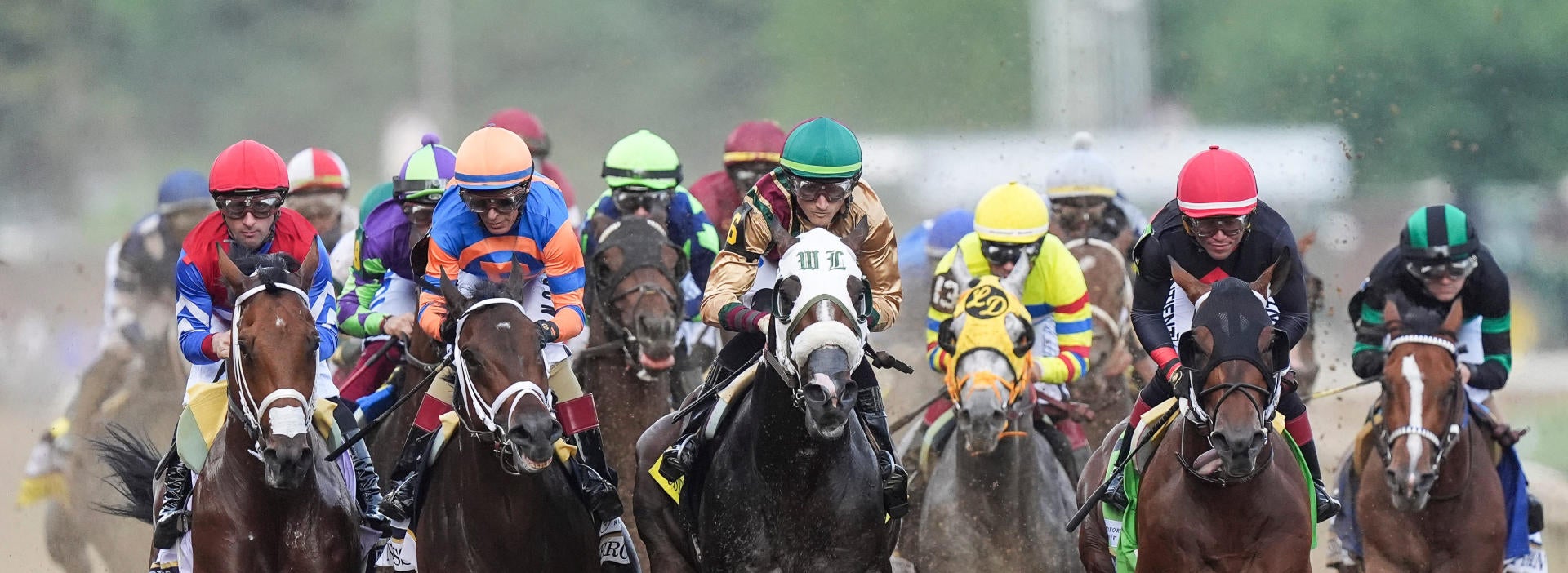
Horse racing has always been a thrilling sport, captivating audiences worldwide with its blend of speed, skill, and strategy. However, while betting on horse racing can enhance the excitement, it is crucial to approach it with caution and knowledge. Many bettors may not realize that there are key instances when they should refrain from placing bets, and a broader understanding of these moments can lead to more successful outcomes. For those looking to refine their approach, resources such as Horse Racing Betting Not on GamStop https://digitalfuturesws.co.uk/ can provide valuable insights.
The Allure of Horse Racing Betting
Horse racing betting has been a popular activity for centuries, attracting both casual fans and serious gamblers. The thrill of watching horses thunder down the track, combined with the chance of winning a substantial payout, creates an addictive appeal. This allure often encourages novice bettors to jump in without fully understanding the intricacies of the sport or the betting process.
Understanding the Betting Landscape
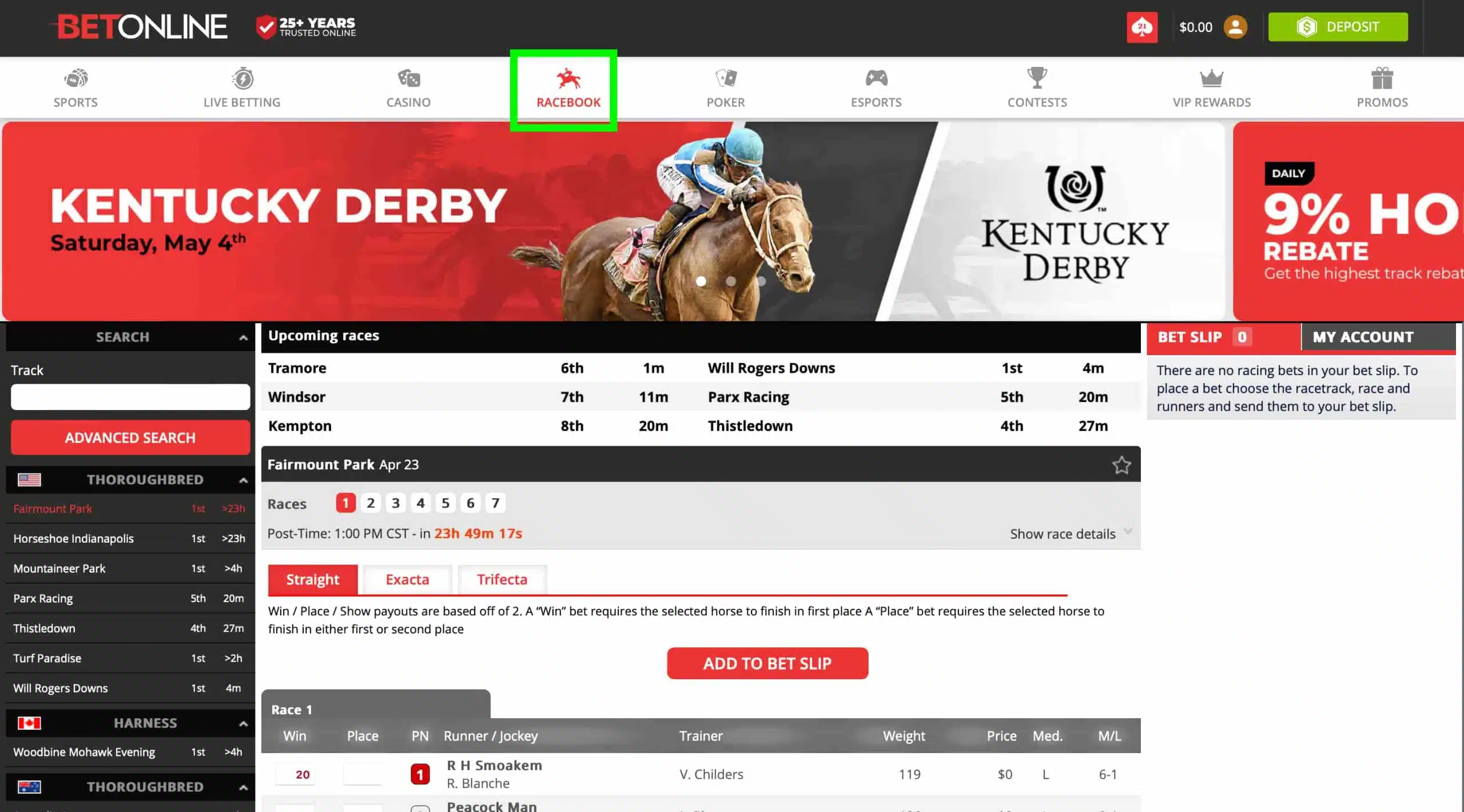
Before delving deeper into when to avoid betting, it’s essential to understand the various types of bets available in horse racing. Common bet types include:

- Win Bet: You bet on a horse to finish first.
- Place Bet: You bet on a horse to finish in the top two or three, depending on the race’s rules.
- Show Bet: You bet on a horse to finish in the top three.
- Exacta Bet: You select the first and second-place finishers in the correct order.
- Trifecta Bet: You choose the first, second, and third-place finishers in the correct order.
Each bet type offers different odds and potential payouts, and understanding these can help bettors make informed decisions.
Key Moments to Avoid Betting
1. Lack of Research
One of the most critical factors in successful betting is thorough research. Before making any bets, it’s vital to gather information about the horses, jockeys, trainers, and the track conditions. If you find yourself short on time or lacking the motivation to do this research, it’s best to hold off placing any bets until you can commit fully to understanding the race.
2. Emotional Betting
Betting under the influence of emotions—whether it’s elation from a previous win or frustration from a loss—can lead to poor decision-making. It’s essential to approach betting with a rational mindset, basing decisions on data rather than feelings. If you feel particularly emotional about a race, it may be wise to step back and avoid placing bets until you can regain your composure.
3. Unfamiliar Tracks or Horses
When betting on tracks or horses you know little about, the risk of making uninformed bets increases significantly. If you encounter a race that features unfamiliar competitors, it’s advisable to either invest time into research or abstain from betting altogether. Betting should be a calculated risk, and ignorance can lead to unnecessary losses.
4. Last-Minute Changes
Racetracks can experience changes in conditions or lineups right before the race starts. These may include changes in jockeys, alterations in the horses’ health status, or weather conditions affecting the track. If such changes occur close to the race time, re-evaluating your betting decisions is crucial. If you cannot get updated information, it’s prudent to avoid betting.
5. Financial Uncertainty
Betting should always be approached with a clear financial plan. If you’re in a precarious financial position or your budget for betting is tight, it’s strongly advised to refrain from placing any bets. Responsible gambling involves knowing when to walk away, particularly if you cannot afford to lose the amount you intend to bet.
Building a Sustainable Betting Strategy
Achieving long-term success in horse racing betting involves more than just picking winners; it requires a strategic approach that includes knowing when to speed up and when to hit the brakes. Here are some tips for developing a sustainable betting strategy:
- Set a Budget: Determine how much money you are willing to allocate to betting and stick to this budget.
- Implement a Research Routine: Establish a consistent routine for researching upcoming races and competitors.
- Track Your Bets: Keep a log of your bets, wins, and losses to analyze your performance over time.
- Seek Advice: Don’t be afraid to seek insights from sources or experts in horse racing.
Conclusion
Horse racing betting can be an exhilarating and potentially profitable endeavor when approached with knowledge and mindfulness. Understanding when to refrain from betting can significantly influence your overall success and enjoyment of the sport. By being aware of the moments that warrant caution and implementing a systematic approach to betting, you can enhance your experience in horse racing, transforming it from mere gambling into a skillful and rewarding pursuit.